Exploring Banjarnegara’s Culinary Delights: Traditional Javanese Food

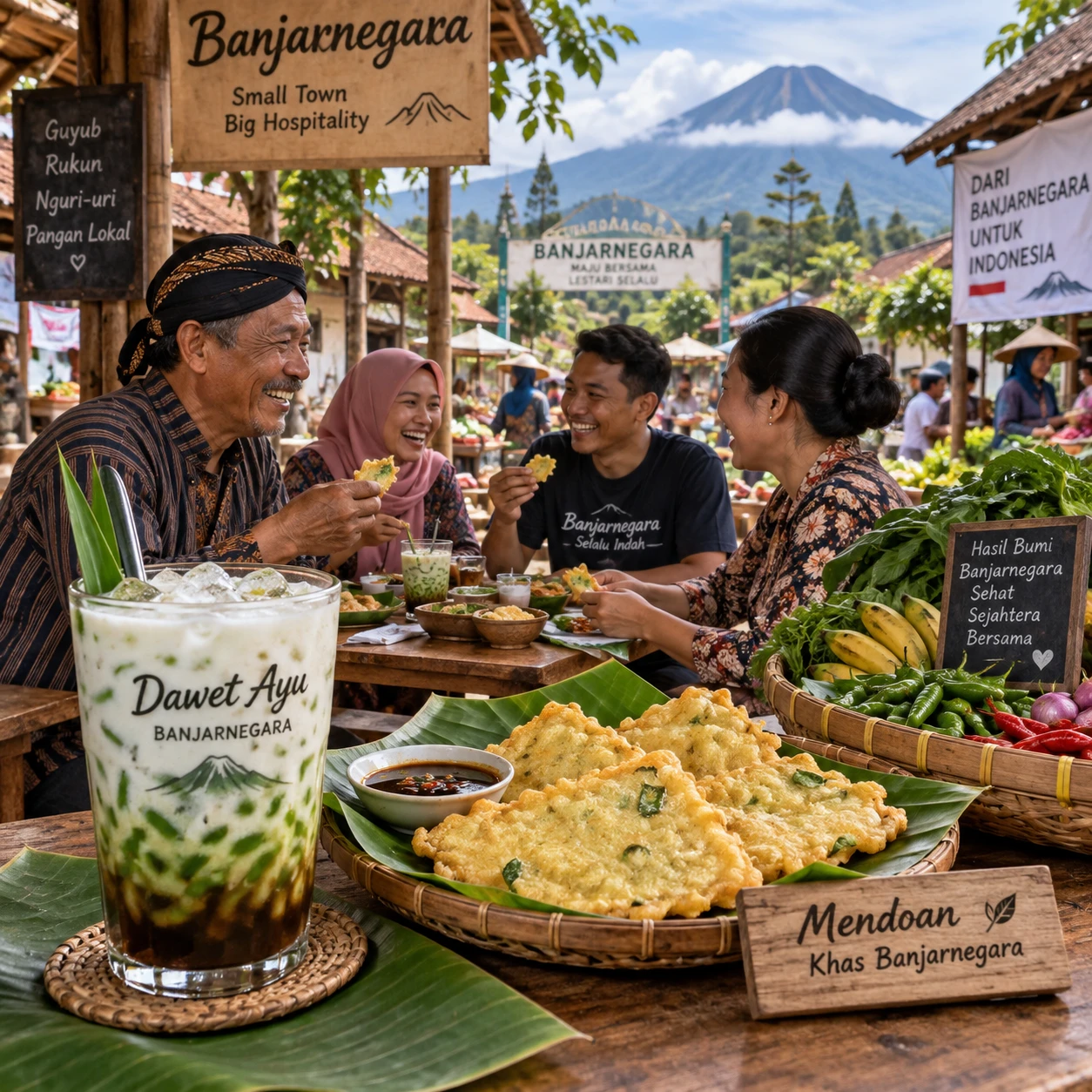
Food in Banjarnegara is part of the rhythm of everyday life. A drink shared on a warm afternoon, tempeh frying at a food stall, or dishes served at a neighborhood gathering can offer a glimpse of how local tastes and community traditions meet.
For residents and visitors alike, exploring the area’s traditional Javanese cuisine is less about following a fixed checklist and more about noticing what is being cooked, where people gather, and which regional ingredients appear on the table. Dawet Ayu is a familiar local favorite, while mendoan and other simple, savory foods make satisfying stops throughout the day.
A Taste of Banjarnegara’s Food Culture
Banjarnegara’s food culture brings traditional Javanese flavors into everyday community life. Local dishes and drinks are enjoyed at home, in neighborhood settings, and at markets or food stalls, where food is as much a reason to gather as it is a meal.
Like much of Javanese cooking, the food people encounter may balance sweetness, savoriness, gentle spice, and fresh or aromatic ingredients. The exact taste varies from cook to cook. Family habits, available produce, and personal preference all shape a recipe, so a familiar dish can have a slightly different character at each stall.
Dawet Ayu is among the names closely associated with Banjarnegara’s culinary identity. It is often enjoyed as a refreshing drink, especially when the weather calls for something cool. Meanwhile, mendoan and other tempeh-based foods reflect the appeal of affordable, freshly prepared snacks that suit an ordinary afternoon as easily as a casual visit with friends.
These foods matter beyond their ingredients. A stop at a warung, or a conversation with a vendor while choosing a snack, can connect people through daily routines. That local, practical side of the food scene is worth noticing alongside any famous dish.
Dawet Ayu and Other Local Favorites
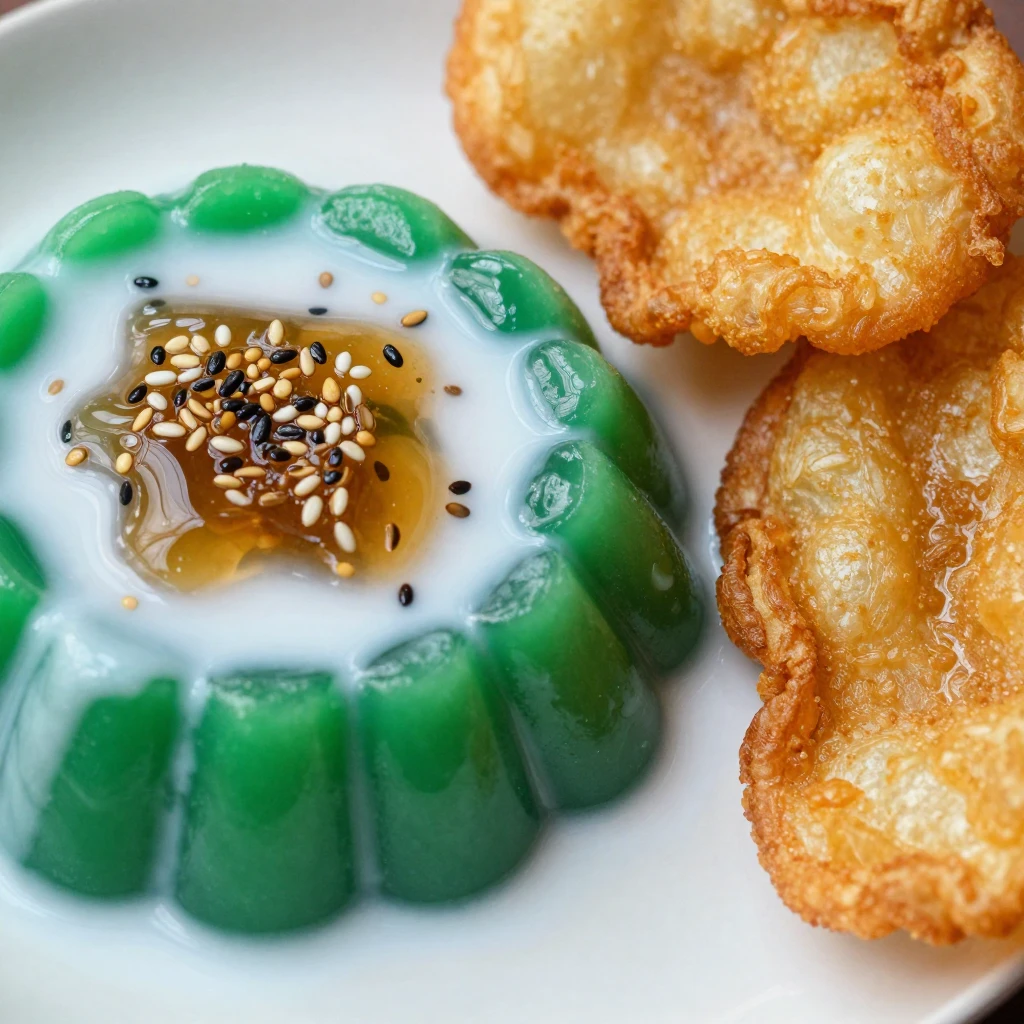
Dawet Ayu is a traditional Indonesian drink commonly associated with Banjarnegara, made with soft green rice-flour jelly and served with coconut milk and sweet syrup. Other local favorites include mendoan, a thin tempeh snack coated in seasoned batter and fried until tender.
A glass of Dawet Ayu combines several textures and flavors: slippery strands or pieces of dawet, creamy coconut milk, and syrup that adds sweetness. Recipes and serving styles can differ, so the balance may be light or rich depending on the vendor. The drink is often served cold, making it a popular choice for a pause between errands or a companion to a savory snack.
Mendoan starts with tempeh sliced thinly, dipped in a seasoned batter, and briefly fried. Its appeal lies in the contrast between a lightly crisp coating and a soft, warm center. It may be served with chili or a dipping condiment, though accompaniments vary. It is best eaten soon after frying, when its texture is at its most inviting.
Visitors may also come across other everyday Javanese foods, such as rice dishes, fried snacks, vegetables, and simple side dishes. Availability depends on the stall, time of day, and what the cook has prepared. Rather than expect every menu to be the same, ask what is fresh or popular that day.
Javanese Flavors and Regional Ingredients
Traditional Javanese flavors in Banjarnegara often combine savory seasonings with a measured sweetness, while snacks bring in crisp, soft, or chewy textures. Regional ingredients such as tempeh, rice flour, coconut milk, and local produce help shape the dishes people encounter.
Tempeh is a useful example of an ingredient that moves easily from everyday cooking to a quick street-side snack. In mendoan, thin slices meet a light batter and hot oil; elsewhere, tempeh may be cooked in ways that give it a firmer texture or a stronger seasoning. The ingredient is familiar, but preparation changes the experience.
Rice flour gives dawet its soft, slippery texture, while coconut milk contributes creaminess. Syrup supplies sweetness, creating a drink that is both cooling and filling. For savory dishes, cooks may use aromatics, herbs, chilies, and other seasonings. The precise ingredients can differ by household or vendor, so it is sensible to ask if you have dietary restrictions or want to know how spicy a dish is.
Freshness is often part of the appeal. A snack fried to order will feel different from one that has been sitting for a while, and produce changes with availability. Choosing what looks freshly made is a practical way to explore, though the busiest stall is not automatically the best match for every taste. Small variations are a feature of local cooking, not necessarily a sign that one version is more authentic than another.
Where to Explore Local Food
To explore traditional food in Banjarnegara, look at local markets, warungs, and food stalls, then check current community updates for seasonal vendors or events. Menus and opening times can change, so ask locally rather than relying on an old listing.
Local markets are good places to observe daily food habits and find ingredients, snacks, or prepared items being sold alongside household goods. Go with an open mind: a market may offer a changing selection rather than a dedicated menu of signature dishes. If you see something unfamiliar, asking the seller what it contains and how it is usually eaten can make the discovery more rewarding.
Warungs and food stalls provide another practical starting point. Look for places serving a steady stream of local customers, and consider visiting when food is likely to be freshly prepared. A short question such as “What is fresh today?” is often more useful than searching for one definitive dish. Vendors can also tell you whether a snack is mild, spicy, sweet, or best eaten right away.
- For a refreshing taste: Ask whether Dawet Ayu is available and how it is served.
- For a savory snack: Look for mendoan or another freshly cooked tempeh dish.
- For changing menus: Visit a market or warung and ask what is prepared that day.
- For current details: Check local news or community announcements before making a special trip.
Specific vendors, prices, and event schedules can change. Confirm details through current local updates, and treat recommendations as a starting point rather than a guarantee.
Food, Community, and Local Traditions
Food connects Banjarnegara’s community life through shared meals, neighborhood gatherings, and local events. Traditional dishes and everyday snacks help hosts welcome guests and give people a familiar way to spend time together.
At a family visit or community gathering, food may be prepared and shared according to the occasion and the host’s preferences. A traditional drink or snack can sit alongside a broader meal, and the dishes served may vary between households. The important point is not that every gathering follows one menu; it is that preparing and offering food creates a space for conversation.
Markets also support this social side of food. Residents meet vendors they know, exchange local news, and make regular purchases as part of their day. A stall selling mendoan or a drink like Dawet Ayu can become a familiar stop, especially for people who live or work nearby. These routines are part of the local story, even when they do not appear on a visitor’s itinerary.
Community celebrations and public events may feature food, but offerings and schedules depend on the organizers. For event-specific information, check announcements from local organizers or community channels. That keeps expectations realistic and helps visitors take part respectfully, without assuming that a particular dish will be available at every gathering.
Tips for Enjoying Banjarnegara’s Culinary Delights
Enjoy Banjarnegara’s culinary delights by starting with familiar favorites, asking vendors about ingredients, and staying flexible about what is available. A little curiosity and consideration will help you understand both the food and the setting in which it is shared.
- Ask before ordering. Find out what a dish contains, whether it is spicy, and whether it is freshly made. This is especially helpful for drinks with coconut milk or foods with sauces.
- Try one new item at a time. Pairing Dawet Ayu with mendoan lets you compare a cool, sweet drink with a warm, savory snack without ordering more than you need.
- Follow the moment. At a market or food stall, ask what people are eating now or what the vendor recommends. Availability can change throughout the day.
- Be clear about dietary needs. Recipes vary, and ingredients may not be obvious. Tell the vendor about allergies or restrictions and ask whether a dish can be prepared safely for you.
- Respect local customs. Notice how people order, share space, and dispose of packaging. If you are unsure, a polite question is usually the simplest approach.
A common mistake is treating one version of a dish as the only authentic one. Home cooks and vendors make different choices, and those differences reflect everyday food practice. Another is assuming that a well-known item will be available everywhere; checking locally saves a wasted trip and supports realistic expectations.
Frequently Asked Questions
What foods is Banjarnegara known for? Dawet Ayu is a recognizable drink associated with Banjarnegara. Mendoan, made with battered tempeh, is another familiar savory snack, alongside a wider range of everyday Javanese foods.
What is Dawet Ayu? Dawet Ayu is a sweet drink commonly served with green rice-flour jelly, coconut milk, and syrup. Recipes and proportions vary among vendors.
Where can visitors look for traditional food in Banjarnegara? Try local markets, warungs, and food stalls. Ask residents or vendors about current availability, since menus and opening times can change.
Are traditional dishes commonly served at local gatherings? Food is often part of shared meals and community occasions, but the dishes depend on the household or event. Check local announcements for details about public gatherings.