A Guide to Dieng Plateau: Weather, Temples, and Local Culture
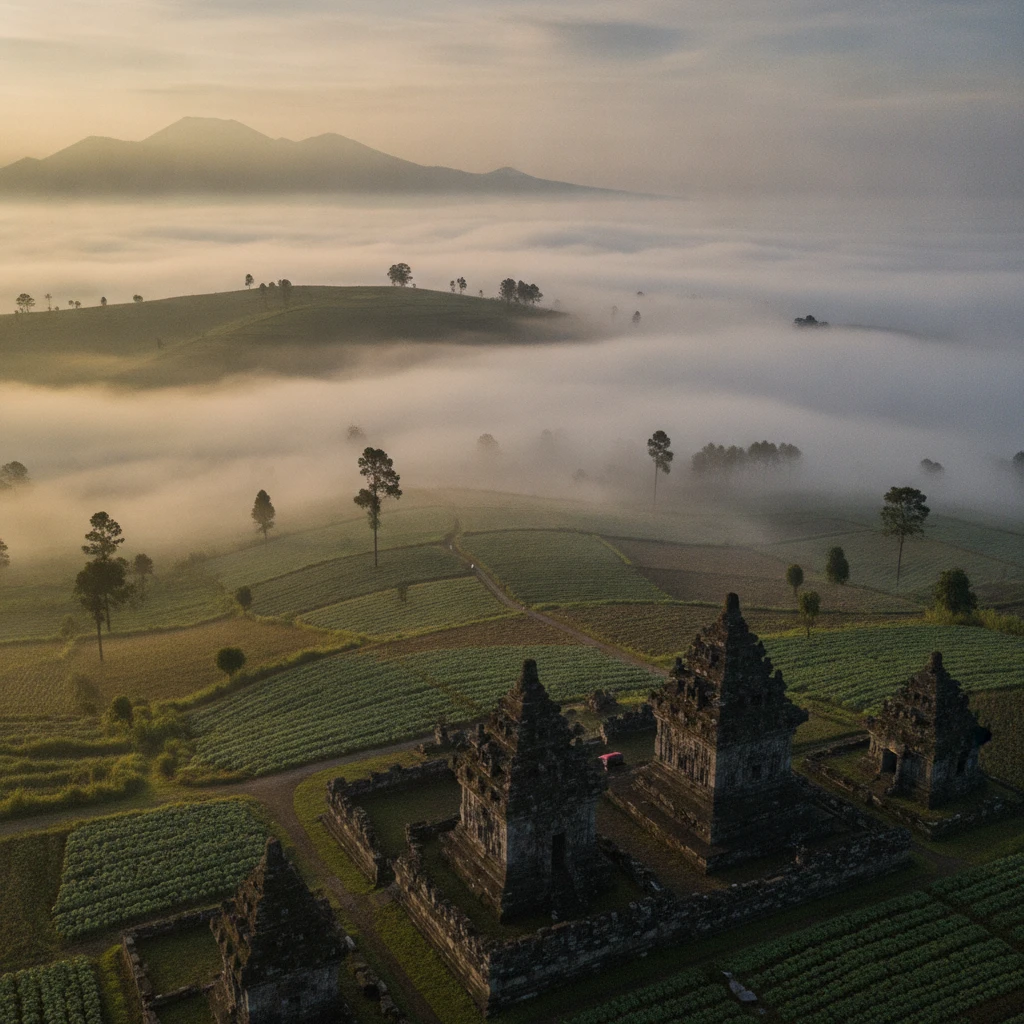
Dieng Plateau is a highland landscape of volcanic scenery, historic temples, farms, and close-knit communities in Central Java. For people in Banjarnegara and visitors passing through, its appeal lies in the way natural conditions and everyday local life sit alongside a remarkable cultural heritage.
Getting to Know Dieng Plateau
Dieng Plateau is a highland area in Central Java, shared by the Banjarnegara and Wonosobo regions, where volcanic landscapes and historic sites shape the visitor experience. Its location makes Dieng a familiar destination for Banjarnegara residents as well as travelers from elsewhere in Java.
The plateau sits at roughly 2,000 metres above sea level, so the air is cooler than in the surrounding lowlands. Farming is part of the landscape: fields follow the contours of the hills, while villages and visitor facilities occupy the spaces between natural and archaeological sites. The result is a working rural region, not simply an open-air attraction.
For visitors coming from Banjarnegara, Dieng offers a distinctive highland escape within the same regency’s broader area. Road travel involves winding, uphill sections, so allow time and expect the journey to feel different from a trip on flatter roads. Local conditions, traffic, and your starting point will affect the journey; check current transport and road information before setting out.
Dieng Weather and What to Prepare
Dieng’s highland climate is cool and changeable, so visitors should bring warm layers and prepare for mist or rain. Conditions can shift over the course of a day, and exposed viewpoints may feel colder than sheltered village areas.
A practical approach is to dress in layers rather than rely on one heavy coat. A light thermal layer, a warm outer layer, comfortable walking shoes with good grip, and a rain jacket will cover most basic needs. If you plan to watch sunrise or spend time outdoors early or late in the day, pack gloves and a hat as well.
Cloud, fog, and rain can reduce visibility or make paths slippery. Keep your plans flexible, especially if a viewpoint is a major reason for your visit. Check a current local forecast before leaving, but treat it as guidance rather than a guarantee. Weather apps may not reflect conditions on every slope or at every attraction.
- Wear: layers you can add or remove as temperatures change.
- Pack: rain protection, water, and a small bag for essentials.
- Choose: closed shoes with traction for uneven or damp paths.
- Plan: extra time for fog, road conditions, and changing visibility.
Overpacking bulky clothing can be uncomfortable while walking, but arriving in thin lowland clothes can make an outdoor visit unpleasant. A few lightweight layers offer a useful balance.
Temples and the History of Dieng
The Dieng temples are early Hindu religious structures that preserve evidence of historic Javanese architecture and worship. The Arjuna Temple complex is the best-known group, with several shrines set in a broad highland landscape.
These stone temples are commonly associated with the early development of Hinduism in Java, though the precise history of individual structures is complex. Their scale is modest compared with some later Javanese monuments, but their setting and architectural details make them important heritage sites. The Arjuna complex includes temples named Arjuna, Semar, Srikandi, Puntadewa, and Sembadra.
Walking through the grounds, take time to notice the stonework and the relationship between the shrines and the surrounding plateau. The temples are not decorative props; they are archaeological and cultural places that need protection. Follow posted rules, avoid climbing on structures, and do not touch or remove stones or objects.
Other temple remains are scattered around the Dieng area, and access arrangements can vary. Check local information on the day rather than assuming every site is open. For historical context, the Dieng temple complex overview provides a starting point, while on-site signs and local guides can add useful detail.
Local Culture, Traditions, and Food
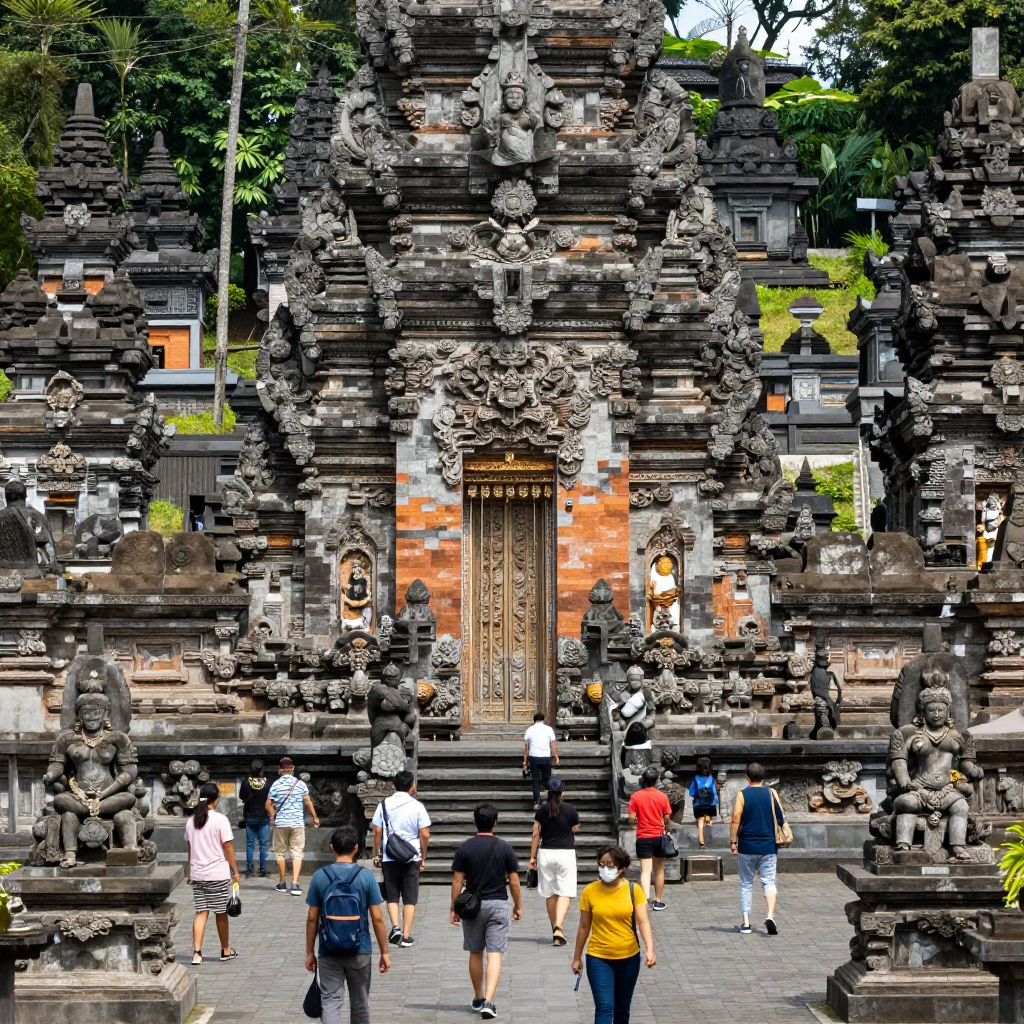
Dieng’s local culture reflects Javanese traditions and the daily rhythms of a highland farming community. Visitors can experience that culture through local food, village life, and events such as the Dieng Culture Festival when it is held.
The festival is associated with music, arts, and local cultural activities, and it draws visitors to the plateau. Its programme and dates can change, so confirm details through current local announcements before planning around it. A major event can bring extra traffic and crowds; a quieter visit may offer more time to speak with residents and explore at an unhurried pace.
Local food is another easy way to connect with the region. Look for dishes and snacks served by local eateries and stalls, including warming meals suited to cool weather. Menus and availability vary, so ask vendors what is fresh or locally made. Buying from small businesses can support the community, though visitors should carry cash if a seller does not accept digital payment.
Courtesy matters in everyday interactions. Greet people politely, ask before photographing residents, and respect private homes, farms, and religious spaces. Javanese culture places value on considerate conduct; a quiet, friendly approach is more welcome than treating village life as a backdrop for photographs.
Places and Experiences Beyond the Temples
Beyond the Dieng temples, visitors can explore highland landscapes, farming areas, and natural features shaped by volcanic activity. These experiences show why Dieng is both a heritage destination and a lived-in rural region.
Depending on current access and conditions, visitors may encounter crater landscapes, lakes, scenic roads, and viewpoints across the plateau. The terrain is part of the attraction, but it also calls for care: paths can be uneven, visibility can change, and some natural areas may have safety restrictions. Follow local signs and guidance instead of crossing barriers to reach a photograph.
For a more grounded visit, combine a temple walk with time to observe the surrounding landscape and support a local food stall or shop. This gives a fuller sense of Dieng than rushing from one photo stop to another. If you are traveling from Banjarnegara, allow enough time for the winding drive and for conditions to slow progress, particularly when it is wet or crowded.
Practical Tips for a Respectful Visit
A good visit to Dieng depends on checking current conditions, dressing for the highlands, and treating heritage sites and local communities with care. A little preparation helps you enjoy the plateau without adding pressure to its roads, residents, or archaeological places.
- Check before travelling: Confirm road, attraction, and event information through current local sources.
- Start with a flexible plan: Mist, rain, or traffic may change how much you can see.
- Protect the temples: Keep to marked areas, follow site rules, and leave stones and artefacts untouched.
- Reduce waste: Bring a reusable bottle where practical and take rubbish with you.
- Respect residents: Ask permission before taking close-up photographs, especially of children or people at work.
- Support local businesses: Consider buying food or services from local vendors, while checking prices and arrangements clearly.
One common mistake is planning a visit around a single viewpoint or event. If weather or schedules change, the day can feel like a disappointment. Keep the temples, village scenery, and local food in your plans as alternatives. Another is wearing unsuitable footwear; damp, uneven ground can make a short walk tiring, so grip and comfort matter more than style.
Frequently Asked Questions
What should visitors wear in Dieng’s cool weather?
Wear several light layers, a warm outer layer, and closed shoes with good grip. Add a rain jacket, and bring a hat or gloves if you will be outside early or late.
Which temples can visitors explore in Dieng?
The Arjuna Temple complex is the main group, including the Arjuna, Semar, Srikandi, Puntadewa, and Sembadra shrines. Other temple remains are found in the wider area; check current local access information before visiting.
How can visitors reach Dieng from Banjarnegara?
Visitors can travel by road from Banjarnegara toward the Dieng highlands. The route is winding and uphill, and journey times depend on traffic, weather, and the exact starting point. Check local transport and road conditions before departure.
What local customs should visitors keep in mind?
Be polite, ask before photographing people, respect homes and religious sites, follow temple rules, and avoid leaving rubbish. Supporting local vendors is a practical way to engage with the community respectfully.